


-
Delen
-

-

-

-

Bijgewerkt 2 Dagen geleden
Papierrol Thermische Inventarisatie: Koppel de levering aan het echte gebruik
admin
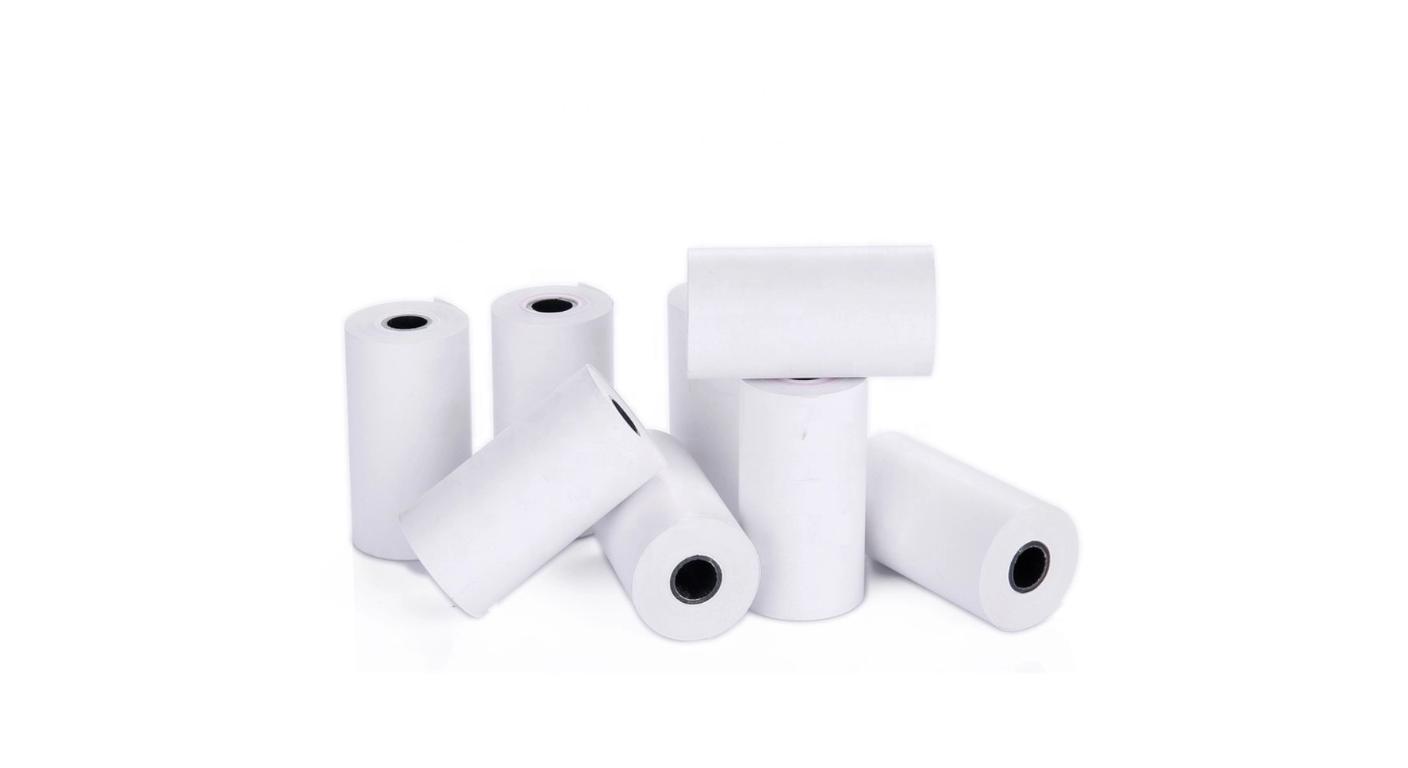
Met het centrale magazijn dat volop bon papier heeft, Een tak kan opraken. Zelfs als er geen verandering is in het aantal transacties, another location might change its receipt layout and therefore change rolls more often. The prices of carton cannot be the only ones to compare and resolve these problems.
When people look for “paper roll thermal”, they typically are looking for thermal paper rolls for receipt or transaction printing. The larger problem with distributors and organizations that serve several sites is the management of stocks that can be used. The best way to do this is to relate approved products with actual usage, reordering time and accountability for all paper movement.
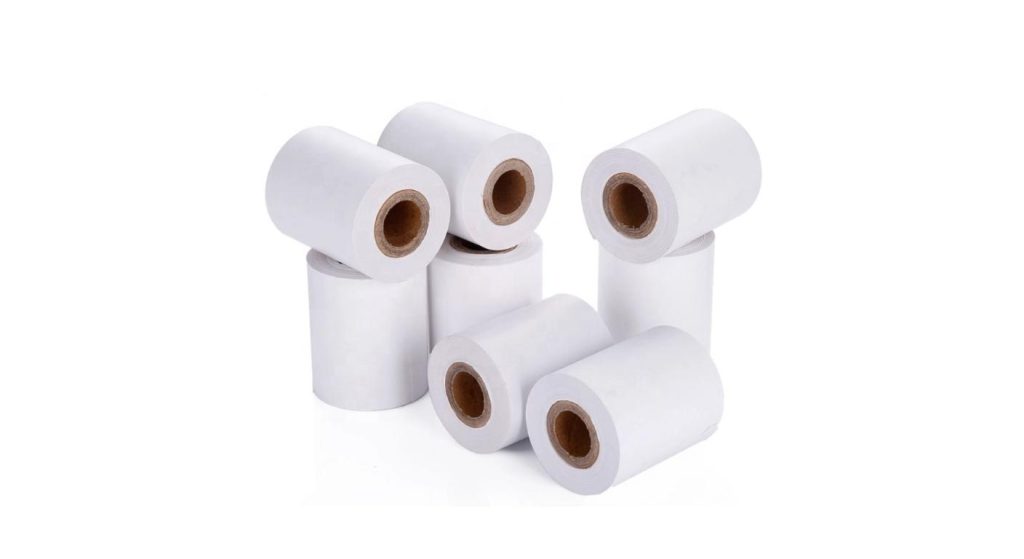
Explore the concept of why rolls are running out quicker.
Start by addressing the thing that prompted the grievance. Longer receipts, blank feeding that isn't necessary, duplicate copies of receipts, and additional promotional material all contribute to a higher demand, as do more transactions. Changing the paper does not necessarily change consumption – a new software layout does.
Make sure of the representative receipts and the printer behaviour before reaching a conclusion that delivery has short rolls. Measure like uses of time and adjust for periods of busy and slow activity. Monitor staff changing partially used rolls and reasons for this.
Jinbao's thermal printing roll page is a beginning point to discuss finished roll specifications. Ensure that the item reference that was approved for the investigation is kept on hand for comparison to ensure that the same item is being compared.
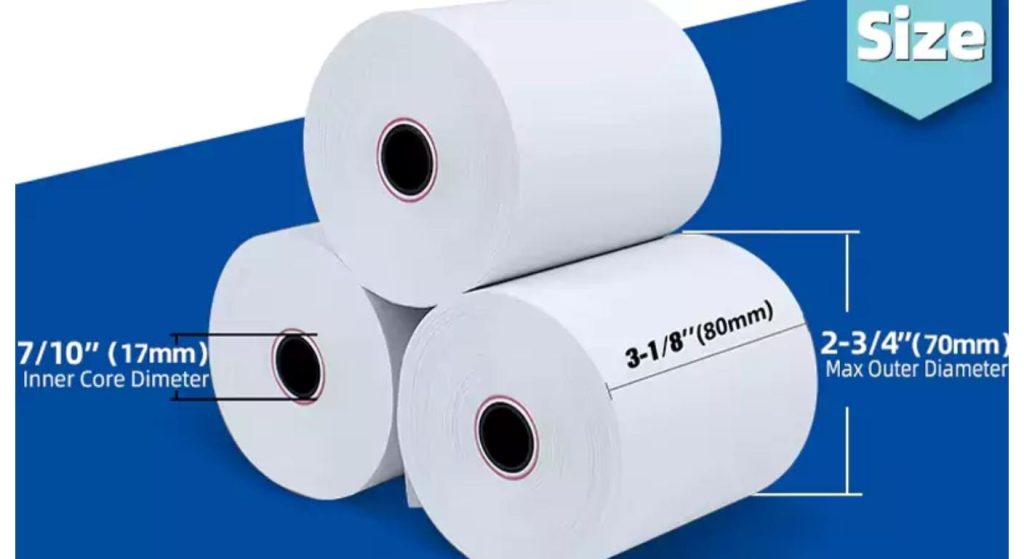
If there is a concern about short length, agree a measuring method with the supplier, and keep the batch information. The roll diameter is not enough to determine delivered metres as paper thickness and core dimensions also affects the final shape of the rolls.
Make Operating Activity a "Consumption Baseline.
A good forecast begins with paper not just cartons out of the warehouse. Record important receipts and determine which types of transactions create more receipts or receipts of unusual size.
Apply transaction records to work out what was used routinely and check that estimate against roll usage observed. Where appropriate, separately include test prints, loading losses and discarded material. The categories indicate if the gap is due to normal operation or avoidable waste.
Don't use an average from one branch in the whole network. Each of the various places involved in a business can have a different transaction pattern and receipt pattern, such as a busy restaurant, service desk and a small retail outlet. Matchup locations by similar use, instead of using the same monthly quantity.
Document the length of planning used to calculate each item approved along with the method of determining the length of planning. Re-check baseline following software changes, new promotions, or major changes in the mix of transactions.
Unbundle Reorder Timing from Order Size.
Reorder timing is related to when to buy, and order quantity is related to how much to buy. When they are confused, they may result in a business ordering in bulk or emergency, but fail to increase supplies.
The basic reorder point for continuously reviewed stock is the amount of stock expected to be used up during the lead time to place a replenishment order plus a suitable safety margin. Include any approval, productie, and order-to-use time, including transport, receiving, and in-house distribution.
If the stock is only looked at weekly or monthly, take this into consideration. There is still a need for coverage for demand generated prior to the next review.
Determine safety stock levels based on the amount of demand variability, lead time uncertainty and the impact of stockout. There is no specific spare number that will work for all operations. Check the rule under actual circumstances and determine who will do something if inventory reaches the threshold—the rule can't be considered an order if it is only reported to the person as an inventory low.
Use different methods to differentiate stock physically available from inventory position (including confirmed receipts and outstanding orders). This helps prevent re-ordering of inventories that are already promised to other orders.
| Planning Input | Example | Calculation |
| Average daily consumption | 20 Rollen | Based on observed usage |
| Replenishment lead time | 12 Dagen | Order release to usable stock |
| Expected lead-time demand | 240 Rollen | 20 × 12 |
| Safety stock | 80 Rollen | Illustrative allowance |
| Reorder point | 320 Rollen | 240 + 80 |
Normalize Items Without Making incompatible substitutions
Simplifying the number of variants of stock is possible with reduction of unnecessary products, but this does not suffice in terms of paper width. Maximum roll diameter, core requirements, maximum thickness or other media specification may vary between different printers.
Create a compatibility log for the specific printer models and items approved. If more than one device is tested on the same roll, it could bulk up orders. Where they do not, maintain separate item codes – not leave to staff’s discretion.
Jinbao's POS thermal paper roll products can be used in the discussion of formats used in the checkout. Ensure that proposed specifications are confirmed by equipment requirements/working trial.
Provide packaging labels with a functional identification. Rolls that are alike in appearance can be distinguished with a clear item code and compatible device group for the benefit of the warehouse staff. Maintain batch information without forcing branch staff to make a decision based on Technical Coating information in order to choose the correct consumable.
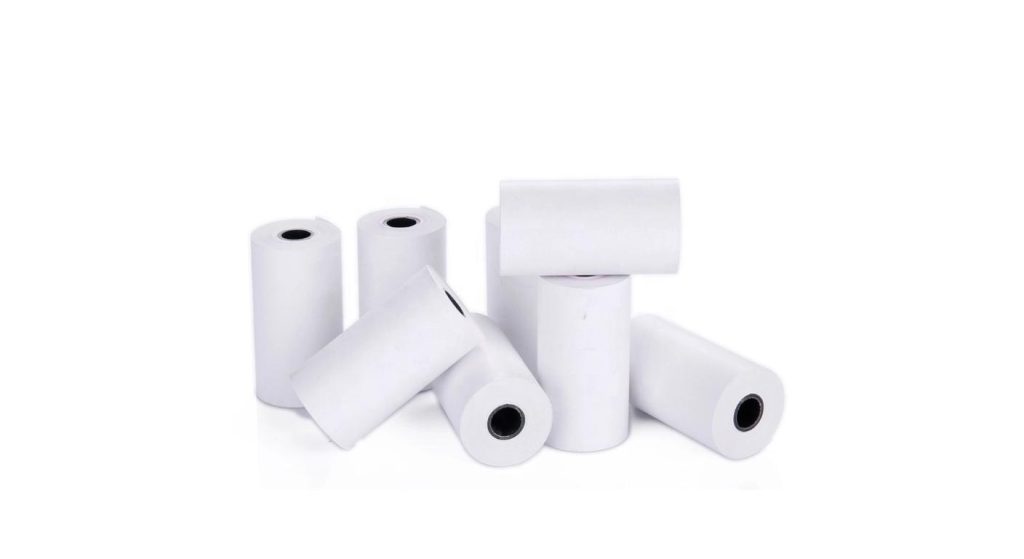
You can control the Stock of the Warehouse and the Printer between them.
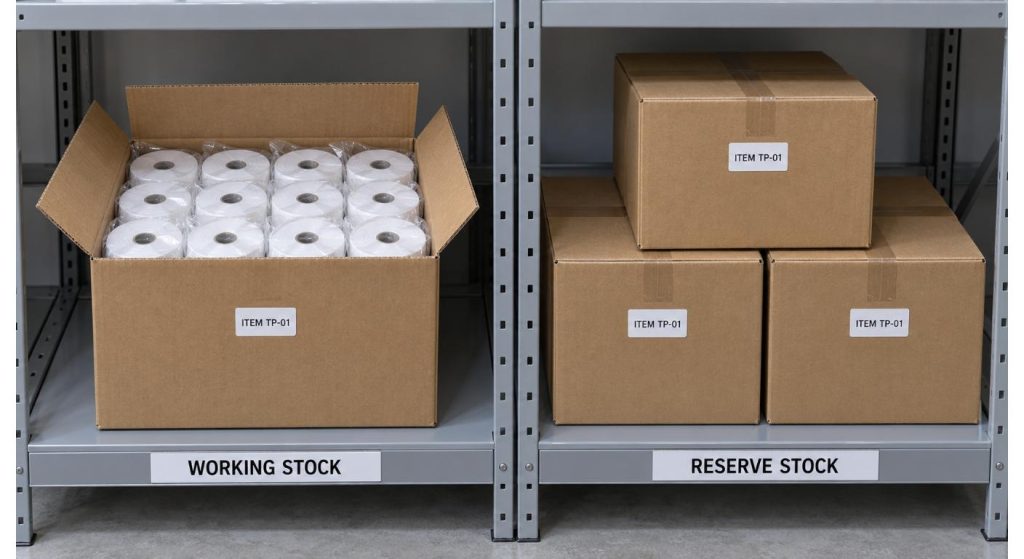
Stock that is purchased is not necessarily available stock. The following factors can involve some of the cartons being unavailable for allocation to branches, for inspection, damaged, or in transit. Count these states regularly to avoid committing to give some of these states twice.
Decide on a clear base unit for inventory records (rolls etc.), and determine carton conversions. Keep records up to date due to changing pack quantities. Zo niet, als dat niet zo is, a known carton count may mask significant discrepancy in actual supply.
State one suitable location for the storage of each branch, and a small operational reserve, suitable to consumption. Store material as directed by suppliers, ensuring that protective packaging is not removed until it is time to use it, and ensuring it is not exposed to inappropriate heat and/or moisture.
Custom paper solutions from Jinbao offer a means of talking about the carton quantities and identification requirements. Standardize the information for received and distribution and put internal transfers on display. While moving cartons between branches can be a quick fix for a shortage, the transfers are not recorded and so will compromise the next forecast.
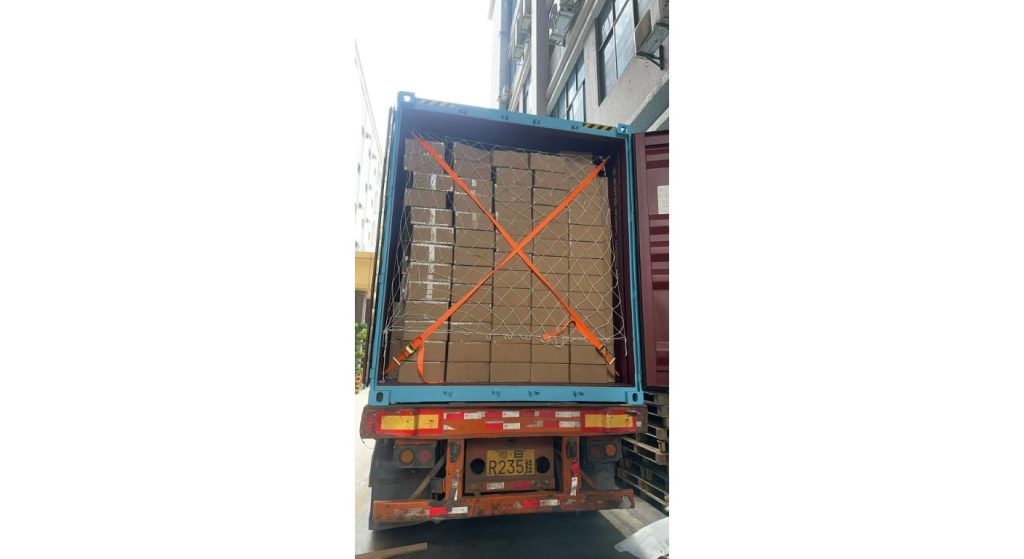
Compare Suppliers by Cost per Successful Output.
As with most things, the lowest cost roll does not necessarily have the lowest operating cost. Add costs which are relevant to equivalent approved specifications and add delivery, Handling, unusable material and disruption in addition to the invoice price.
This calculation should take into account receipt layout. Compression can save space in the volume, but not so much that information in the transactions is lost or that the volume is made difficult to read. Business owners of any design document should approve any change in design.
In the case of branded receipts, validate custom printed thermal rolls based on the same consumption. Preprinting can be a useful communication function, but should not cover the variable transaction area, or result in unnecessary waste.
Monitor supplier performance based on agreed metrics – delivery on time, quantity accepted and documented product conformance etc. Evaluate outcome after the changes, not assuming all successes are due to the reduced cost of the purchases. Stable supply arrangement should be more predictable together in terms of cost and availability.
Conclusie
Echter, having spare cartons of thermal paper at each location is not sufficient for managing thermal paper rolls across locations. Recognize changes in consumption and set realistic rules to replenish and link each item to compatible equipment. Work with buyers to minimize emergency buying and provide buyers with the kind of paper that individual sites use.
Veelgestelde vragen
Q1. Why could it be that the same roll can run out earlier than before?
Receipt length, duplicated printing, quantity of transactions, and loading waste may have been altered. Check operating conditions, don't assume that the roll is shorter.
Q2. Are the rolls the same size but can they have different lengths?
Ja. The amount of paper that will fit in a roll depends on the thickness and the size of the core. Planning with verified length information.
V3. What is the optimum number of spare cartons that each branch should have?
There is no definite answer. Look at local usage, replenishment time, variability and available storage to determine the base.
Q4. Is it possible to use a single paper roll, which can substitute for all the rolls in our network?
Where equipment and application requirements are the same. Test compatibility of the proposed roll by printer model, and confirm the compatibility.
V5. When is it time to start a new P.O.?
Adopt an agreed upon level of stock based on consumption and restocking situations. Designate a person to review the trigger and to give the order to release.
We gaan terug naar binnen 24 Uren
Gerelateerde artikelen

Fabrikant van thermische papierrollen: Evalueer wat er gebeurt na de goedkeuring van het voorbeeld
2026-10-30

A4 Warmteoverdrachtspapier: Kies het juiste systeem voor kledingdrukwerk
2026-10-30
Thermisch Papier A4: Selecteer de juiste voorraad om onderweg te printen
2026-10-29
Papierrol Thermische Inventarisatie: Koppel de levering aan het echte gebruik
2026-10-29
